
 HQ/EMEAFind out how we can help your business


A Hidden Threat in Plain Sight
At first glance, everything looks normal. A trusted Indian website, HTTPS enabled, and no visible defacement. But a simple search reveals casino pages, lottery content, and gambling keywords indexed under a legitimate domain.
This is SEO Spam Injection.
A Real-World Example
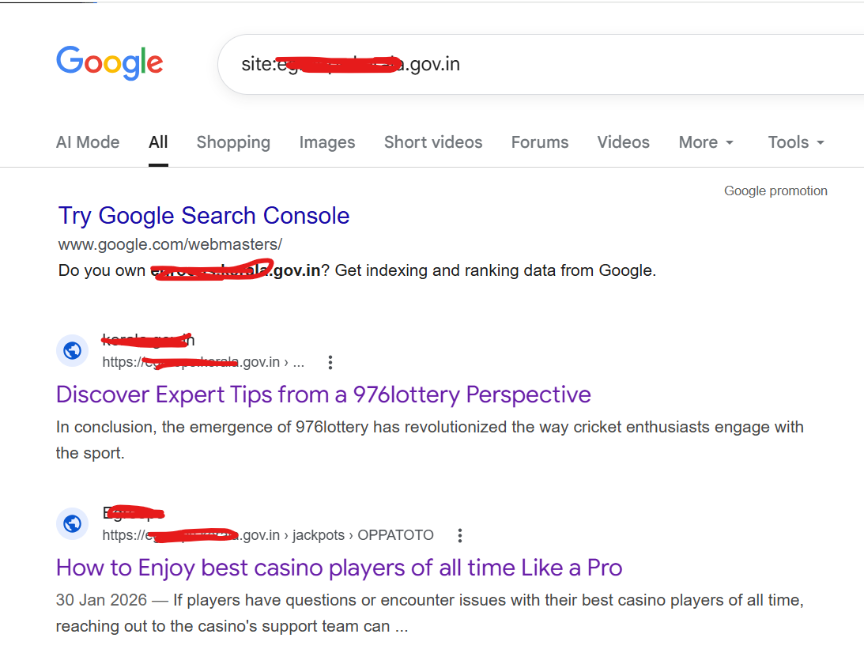
Using a simple search:
site:target-domain.gov.in
We observed gambling-related pages indexed under a trusted website, without any visible compromise on the homepage.

What is SEO Spam Injection?
SEO Spam Injection is a cyber-attack where attackers compromise a legitimate website and inject hidden content to manipulate search rankings.
How the Attack Works:
- Initial compromise via vulnerabilities or weak credentials
- Hidden content injection (casino, betting pages)
- Cloaking (different content for search engines vs users)
- SEO exploitation using domain authority
- Monetization via affiliate or malware
Why Banned Gaming & Casino Content?
Attackers target high search volume and monetization categories. Trusted domains help bypass restrictions.
Attack Chain
Initial Compromise (Entry Point)
Attacker gains access via:
Common enterprise vectors:
- Vulnerable CMS / plugin
- Unpatched server (IIS / Apache)
- Weak admin credentials
- File upload vulnerability
- RCE (Remote Code Execution)
- In government sites, often:
- Legacy apps
- Poor patching cycles
Silent Content Injection
Instead of defacing homepage (visible attack), attacker:
Injects hidden SEO pages directly or iFrames
Examples:
/jackpots/OPPATOTO
/best-casino-guide
/free-betting-tips
These pages:
- Don’t appear in navigation
- Not visible to normal users
- But fully crawlable by search engines
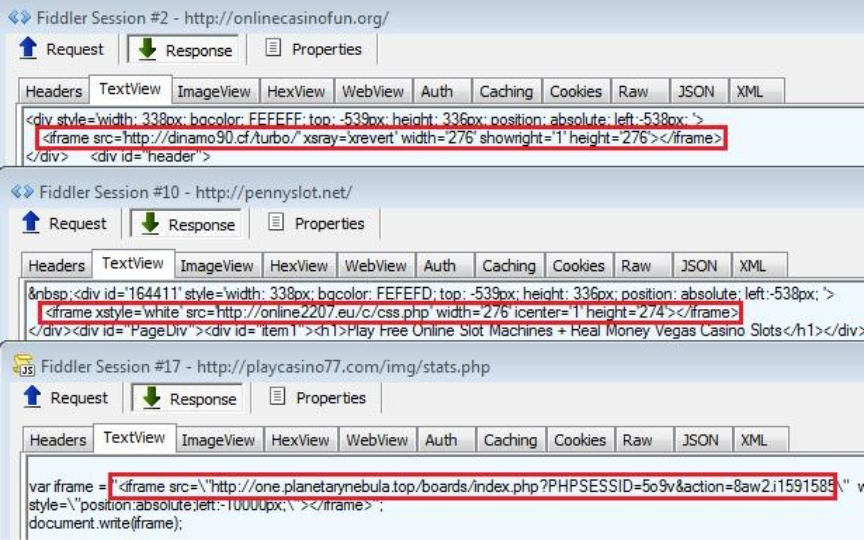
Cloaking (Critical Technique)
This is where it gets sophisticated:
If request from: Google bot > show spam content
If request from: Normal user > show clean/empty/redirect
That’s why site owners often say: “Everything looks fine to me”
Abuse of Domain Authority
This is the real goldmine for attackers
target-domain.gov.in domain = high trust + high authority
So: Google ranks injected pages quickly
Spam content gets top positions
What’s Next
As attackers continue to evolve from system compromise to trust exploitation, organizations must rethink their security posture.
SEO visibility is no longer just a marketing metric – it is an attack surface.
The next phase of defense will require:
- Continuous monitoring of search engine exposure
- Integration of SEO intelligence into security operations
- Proactive detection of brand and domain abuse
