
 HQ/EMEAFind out how we can help your business

Overview
Ransomware and extortion group RansomHouse claims to have breached Trellix, a global cybersecurity vendor formed through the merger of McAfee Enterprise and FireEye in 2021.
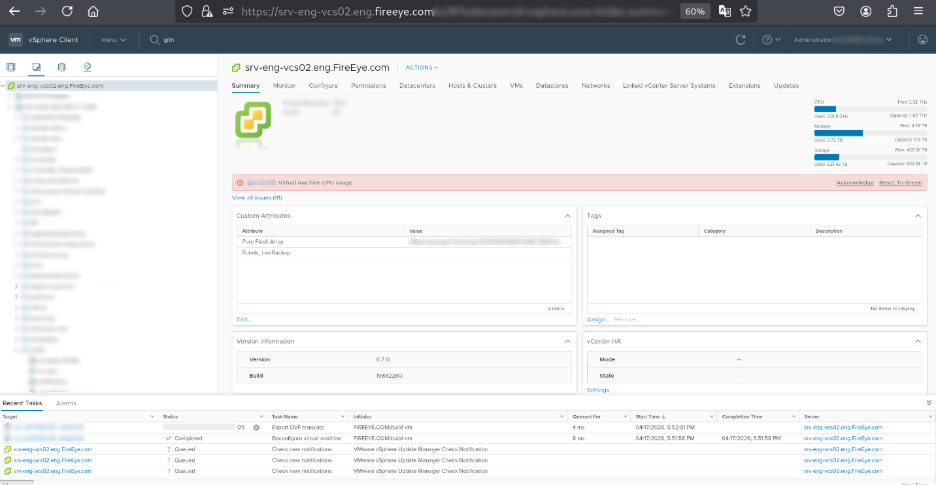
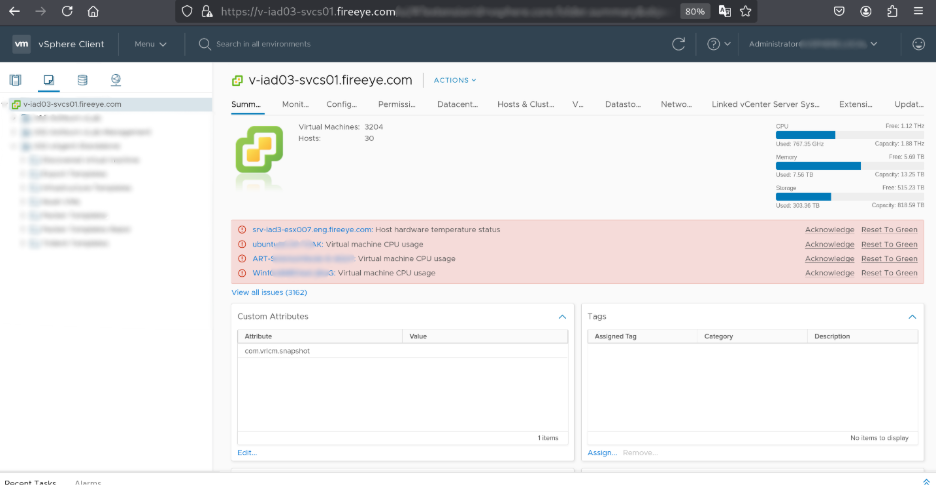
The threat actor published multiple screenshots allegedly showing access to enterprise infrastructure and storage management platforms associated with the company environment.
While broader claims remain unverified, Trellix has publicly acknowledged unauthorized access involving part of its source code repository.

About Trellix
Trellix is a cybersecurity company formed through the merger of McAfee Enterprise and FireEye in 2021. The company provides enterprise security technologies. They supports commercial and government organizations globally through a portfolio of detection, response, and infrastructure security solutions integrated across cloud and on-premises environments.
Evidence Analysis
The threat actor shared several screenshots allegedly originating from enterprise backup and storage systems.
Observed technologies include:
- Dell EMC DD System Manager
- Rubrik backup and inventory platform
- VMware/vSphere inventory references
- Enterprise storage monitoring interfaces
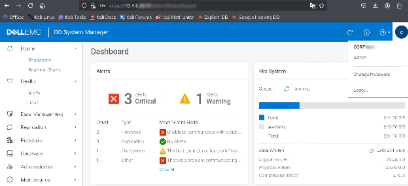
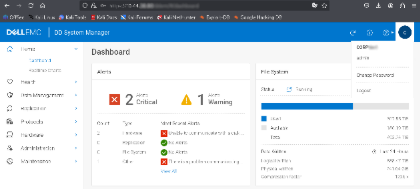
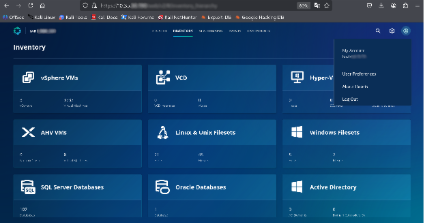

The screenshots display:
- Storage utilization metrics
- File system statistics
- Backup inventory visibility
- Administrative dashboard access
- Internal IP addressing (RFC1918 ranges)
- Enterprise infrastructure naming conventions
Several snapshots also appear to show access to internal systems and infrastructure assets associated with legacy FireEye and enterprise environments, including:
- srv-eng-vcs02.eng.FireEye.com
- v-iad03-svcs01.fireeye.com
- DNVAPPVC5.corp.entsec.com
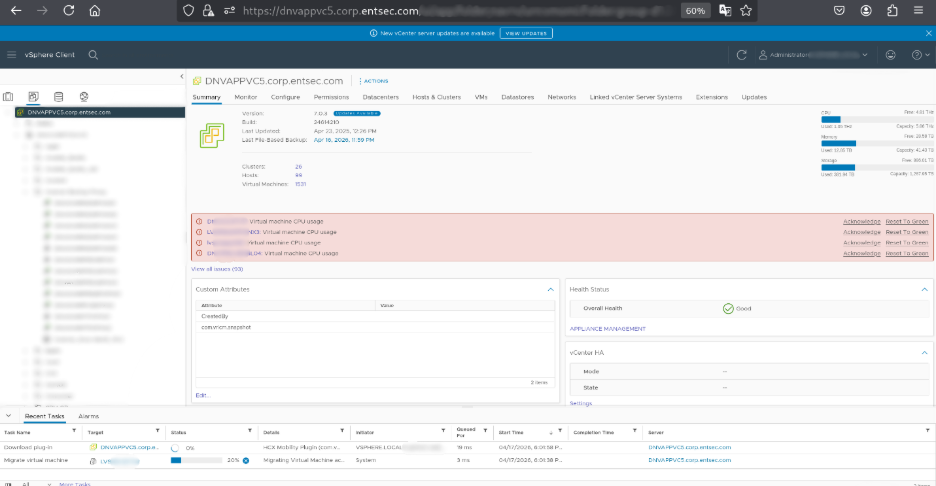
The presence of these hostnames suggests potential visibility into enterprise infrastructure components, internal service environments, or backup inventory systems. However, the screenshots alone do not independently confirm active control, persistence, or full compromise of the referenced systems.
Post Metadata
- Threat Actor: RansomHouse
- Target: Trellix
- Activity Type: Alleged ransomware / extortion operation
- Evidence Shared: Infrastructure dashboard screenshots
- Confirmed Vendor Statement: Unauthorized source code repository access
- Confidence Level: Moderate
Potential Security Implications
If legitimate, exposure of backup and infrastructure management systems may present elevated operational risk due to:
- Centralized visibility into enterprise assets
- Access to backup repositories
- Potential recovery disruption scenarios
- Increased risk of lateral movement within managed infrastructure
Organizations operating backup platforms should treat backup infrastructure as high-value assets and monitor unauthorized administrative activity.
Ttp Context (Ransomhouse-aligned Behavior)
| TACTICS | TECHNIQUES | ID | DESCRIPTION |
|---|---|---|---|
| Initial Access | Phishing | T1566 | Credential harvesting via social engineering |
| Initial Access | Valid Accounts | T1078 | Use of compromised credentials |
| Initial Access | External Remote Services | T1133 | Access through exposed remote services |
| Discovery | Network Service Scanning | T1046 | Enumeration of internal systems |
| Discovery | Remote System Discovery | T1018 | Identification of enterprise assets |
| Lateral Movement | Remote Services | T1021 | Pivoting through internal infrastructure |
| Collection | Data from Information Repositories | T1213 | Access to storage and backup systems |
| Exfiltration | Exfiltration Over Web Services | T1567 | Transfer of stolen data |
| Impact | Data Encrypted for Impact | T1486 | Ransomware deployment |
| Impact | Data Theft and Extortion | T1657 | Leak-site extortion activity |
Note: These techniques reflect historically observed behavior associated with RansomHouse and are not confirmed for this incident.
Indicators And Observations
Observed in screenshots:
- Dell EMC DD System Manager interfaces
- Rubrik inventory dashboard
- Internal IP address ranges:
- 10.44.xx.xx
- 10.44.xx.xx
- 10.33.xx.xxx
- 10.35.xx.xxx
- Referenced internal systems:
- srv-eng-vcs02.eng[.]FireEye[.]com
- v-iad03-svcs01[.]fireeye[.]com
- DNVAPPVC5[.]corp[.]entsec[.]com
- Administrative account references:
- CORP\k**
- Kr*******.N-TA
These identifiers should NOT be treated as confirmed attribution indicators but may assist in defensive review and environment validation efforts.
Osint Status
At the time of writing:
- Trellix publicly confirmed unauthorized access to a portion of its source code repository
- The company stated there is currently no evidence of source code exploitation or compromise of release/distribution mechanisms
- External forensic experts and law enforcement were engaged
- Trellix has not publicly attributed the incident to RansomHouse
- Claims involving ransomware deployment, enterprise-wide compromise, or customer data theft remain unverified
Assessment
The screenshots shared by RansomHouse show characteristics consistent with enterprise backup and storage infrastructure environments.
Notable observations include:
- Presence of internal network addressing
- Administrative dashboard visibility
- Backup and replication monitoring interfaces
- Indicators of large-scale virtual infrastructure management
- Legacy FireEye-related host naming conventions
However, the screenshots alone do not confirm:
- Successful ransomware deployment
- Data exfiltration
- Impact to customer environments
- Compromise of Trellix production systems
The inclusion of internal infrastructure references, legacy FireEye-associated hostnames, storage management dashboards, and administrative views increases the credibility of the actor’s claim. However, currently available evidence still falls short of independently confirming ransomware execution, widespread compromise, or verified data exfiltration affecting Trellix.
The incident gains additional significance following Trellix’s public confirmation of unauthorized access to part of its source code repository. While the company has not confirmed broader operational impact, the combination of public acknowledgment and underground extortion activity increases overall concern surrounding the incident.
Threat level: Moderate to High (confirmed unauthorized repository access with additional unverified extortion and infrastructure compromise claims)
Recommendations
For Organizations
- Review exposure of backup and storage management systems
- Restrict administrative interface access to segmented networks
- Audit privileged accounts and remote access activity
- Monitor backup infrastructure for anomalous authentication attempts
- Validate integrity and isolation of recovery systems
For Security Teams
- Monitor underground forums for additional Trellix-related disclosures
- Watch for secondary extortion or customer targeting activity
- Review logs for access involving backup orchestration platforms
- Investigate unexpected access to VMware, Rubrik, or Dell EMC systems
What’s Next
Further monitoring should focus on:
- Additional proof releases by RansomHouse
- Emergence of leaked datasets
- Additional public statements from Trellix
- Potential downstream targeting of customers or partners linked to the environment shown in the screenshots.
The information provided in this article is based on publicly available open-source intelligence (OSINT). It is intended for awareness and defensive cybersecurity purposes only.
